
Batik Day! Batik Is Not Only for Big Occasions
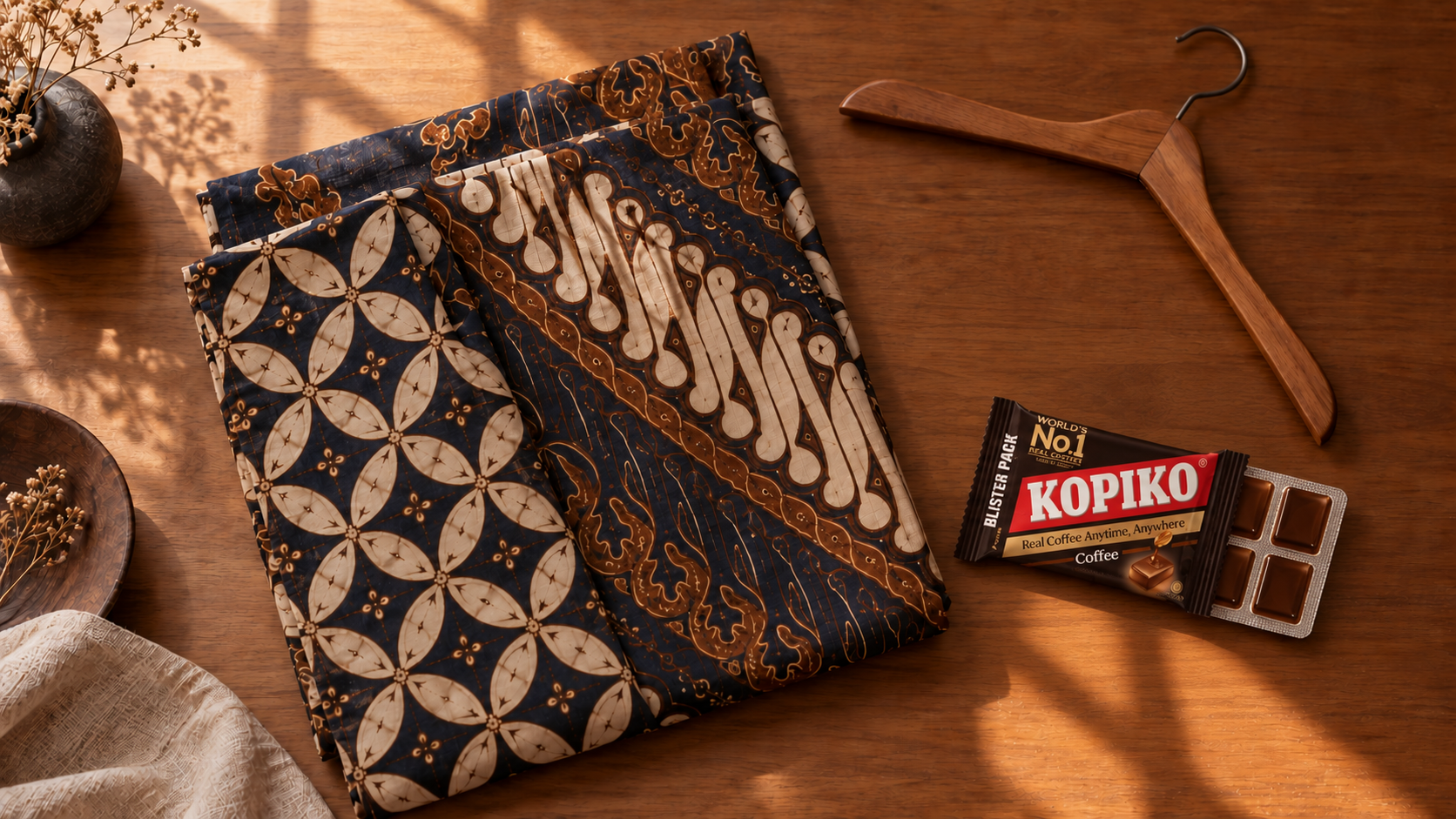
On 2 October, batik often comes out of the wardrobe with more intention than usual. A shirt is ironed before work. A scarf is folded into a bag. A blouse appears in a classroom, office, shop counter, commuter train, or family lunch. National Batik Day can begin simply: fabric worn while real life keeps moving.
The point is not to turn one date into a costume parade. Batik is strong enough for ceremonies, weddings, formal photos, and offices. But it becomes more interesting when it is allowed into normal days too.
Attention, Not Performance
The easiest way to flatten Batik Day is to talk too loudly about it. Big words can make the fabric disappear behind a slogan. A better observance is quieter: wear batik if you can, notice it, and avoid pretending to know what you have not learned yet.
Look at the range around you. Some pieces are crisp and formal. Some are soft from years of use. Some change the mood of a room; others are modest, practical, almost private. A person may wear batik because the office asked for it, because it belonged to a parent, or because the color feels right.
Wearing It Without Freezing It
Everyday batik needs balance. Treat it too casually and it becomes just another print. Treat it too heavily and nobody knows how to wear it without feeling staged.
Choose pieces you can actually use. Pair a patterned shirt with plain trousers. Let a scarf lift a simple outfit. Wear a batik skirt to work or errands instead of waiting for a formal invitation. If you do not know the background of a pattern, say so instead of inventing a story.
Respect often sits inside small habits: washing thoughtfully, folding well, asking before borrowing, and buying with the intention to wear more than once.
Where Batik Becomes Normal
Batik becomes part of culture not only because it is preserved, but because it is repeated. A cuff visible while someone types. A brown-and-blue shirt in a lift full of plain office wear. A child holding a parent’s sleeve outside school. Daily life is built from scenes like this.
That is why shallow nationalism feels unnecessary. Batik does not need to be used as quick proof of pride. It needs room to be worn, noticed, cared for, and passed through ordinary routines. Compliment the actual piece, not an abstract idea. Do not make someone explain their clothing just because it carries cultural meaning.
A Small Pocket Habit for the Same Day
If batik belongs in normal life, the day around it can remain normal too. The person wearing batik on 2 October still has meetings, traffic, errands, classes, shifts, and an afternoon dip of energy.
This is where Kopiko Coffee Blister fits honestly: not as a cultural symbol, and not as part of batik’s meaning, but as a practical coffee candy for a working day. It can sit in a pocket, drawer, pouch, or work bag without asking for a cup or brewing time.
That small role is enough. A batik shirt and a commuter card. A careful blouse and a phone charger. A folded scarf and a packet of coffee candy. Life puts cultural objects and practical objects beside each other all the time.
National Batik Day does not have to shout. Notice it without turning it into content. Take care of what you own. After 2 October, do not put it back where daily life cannot reach it.